Comprehensive Guide to Effective Property Listing Strategies for Home Sellers and Real Estate Agents
Within the competitive real estate market, well-planned property listing strategies are essential for home sellers and agents alike. Understanding target market demographics can substantially shape outcomes. Additionally, crafting compelling descriptions and utilizing high-quality imagery are critical components. However, the nuances of timing and pricing commonly determine a sale. Examining these facets can uncover strategies that improve listing success and attract interested buyers in a dynamic market.
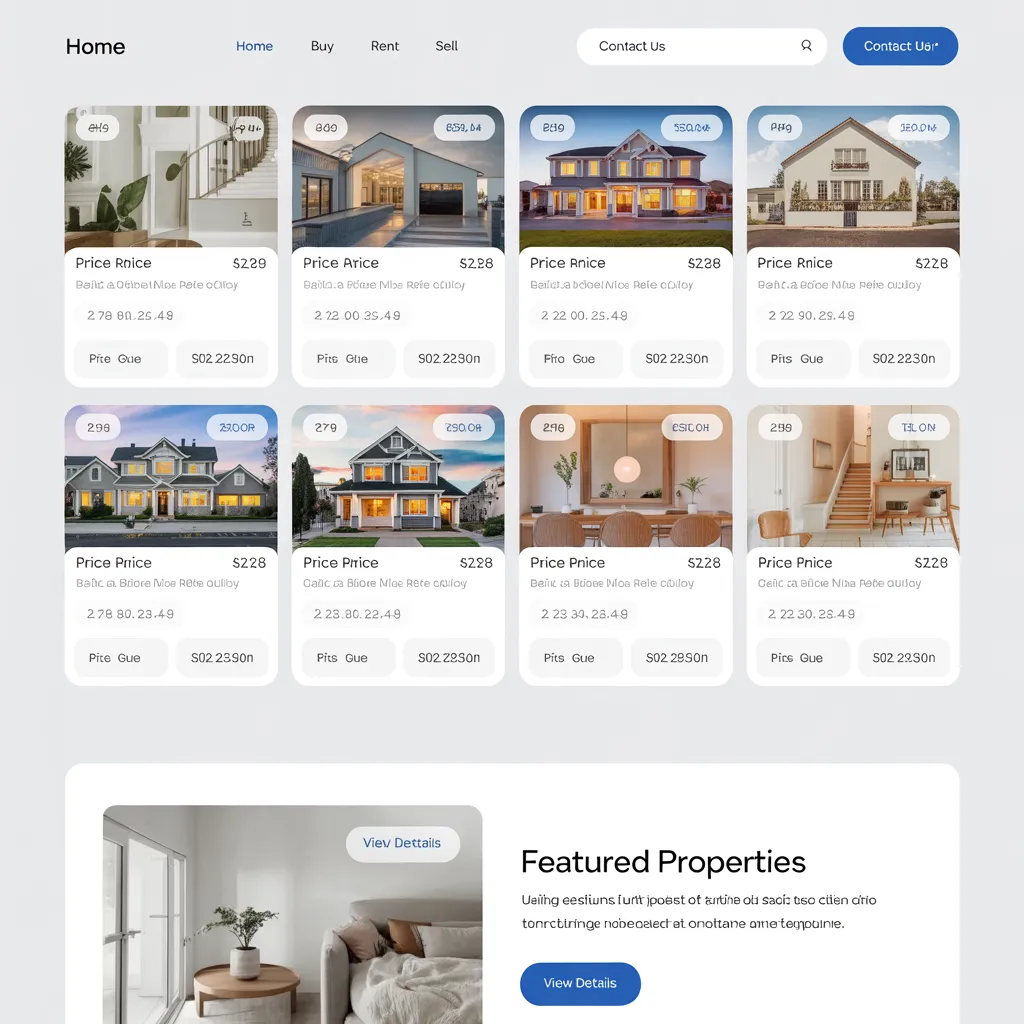
Comprehending Your Target Audience
How can a property seller effectively tailor their approach to attract potential buyers? Comprehending the target audience is crucial for any property seller seeking successful outcomes. By identifying buyer demographics, tastes, and behaviors of potential buyers, sellers can tailor their tactics correspondingly. For instance, a young family may focus on access to schools and park areas, while retirees might value tranquility and accessibility. Researching local trends can offer understanding of what elements and conveniences are desired.
Moreover, sellers should think about the emotional triggers that resonate with their target demographic. Connecting with lifestyle aspirations can elevate a property's attractiveness. Connecting through local community events or social media groups can also expand insight into buyer preferences. Fundamentally, a well-rounded grasp of the target market permits sellers to present their properties in a way that aligns with buyer expectations, consequently improving the likelihood of a successful sale.
Creating Persuasive Property Descriptions
Writing compelling property descriptions calls for a keen focus on unique features that set a property apart. Vivid language plays a vital role in painting a clear picture for potential buyers, while creating an emotional connection can increase their interest. By combining these elements strategically, listings can resonate more meaningfully with the target audience.
Feature Special Features
To successfully capture the attention of potential buyers, real estate agents must showcase the unique features of a property in their descriptions. These distinctive attributes can make a listing stand out from others, making it appealing and memorable. Features such as custom architecture, energy-efficient appliances, or a beautifully landscaped garden can attract interest and evoke emotional responses. Additionally, any recent renovations or historical significance should be highlighted to showcase the property's value. Agents should also consider the target audience and tailor the highlighted features accordingly, whether appealing to families, young professionals, or retirees. By focusing on what makes a property special, agents enhance its marketability and increase the likelihood of attracting prospective buyers.
Use Descriptive Language
Descriptive language functions as an effective instrument in developing engaging property descriptions that appeal to potential buyers. By employing vivid adjectives and specific phrasing, sellers can create a captivating image of the property. Phrases that trigger sensory imagery—such as "sun-drenched living spaces" or "immaculate, cultivated grounds"—can draw buyers in, allowing them to imagine their life ahead in the home. Additionally, featuring architectural details, such as "refined granite counters" or "elegant decorative trim", adds an element of refinement and charm. It is crucial to preserve a genuine voice, ensuring that descriptions precisely depict the property. Ultimately, thoughtfully picked phrases not only inform potential buyers but also generate interest and fascination, making the property shine in a competitive market.
Establish Strong Bonds
A property description that engages the emotions of potential buyers can greatly enhance its appeal. Through crafting stories that inspire sensations of coziness, happiness, and connection, vendors can paint a compelling image that connects with purchasers. Listings ought to emphasize distinctive characteristics—such as a cozy fireplace or sunlit garden—while illustrating a vision of routine existence, welcoming buyers to visualize themselves in the residence. Using experiential wording can moreover intensify emotional ties; describing the aroma of morning coffee percolating in the kitchen or the noise of joy resonating in the family room can transform a house into read the full story a home. Finally, crafting a compelling narrative transforms a mere listing into an invitation, motivating purchasers to envision a life in the home.
The Value of Premium Photography
Though multiple factors affect the effective marketing of a property, professional photography emerges as an essential component that can greatly influence potential buyers. Expert photography captures a home's true character, accentuating its premier characteristics and developing an engaging visual story. When performed accurately, high-quality photography can evoke emotions, making it more straightforward for interested buyers to picture themselves in the property.
In addition to capturing attention online, high-quality photographs improve credibility and professionalism in property listings. Potential buyers are inclined to engage with listings that present a refined and inviting aesthetic. Quality lighting, proper staging, and attention to detail in composition can markedly improve the overall impression of a property. Ultimately, investing in top-tier photography not only raises the chances of a quick sale but can also generate higher offers, making it an essential strategy for home sellers and real estate agents alike.
Leveraging Virtual Tours and Video Marketing
Video marketing and virtual tours have emerged as essential tools in effectively presenting properties. Their ability to deliver an engaging experience enables potential buyers to explore listings from the comfort of their residences. Engaging video content further enhances this approach, attracting attention and presenting the unique features of each property.
Benefits of Virtual Tours
Numerous real estate experts are finding the game-changing benefits of implementing virtual tours into their marketing campaigns. These engaging experiences allow potential buyers to explore properties from the convenience of their homes, greatly enhancing engagement. Virtual tours can feature a property's characteristics in a dynamic way, providing a full perspective that traditional photos are unable to achieve. This not only reduces time for both sellers and buyers but also attracts a wider audience, including long-distance buyers who may be unable to visit in person. Moreover, virtual tours can strengthen listing visibility on platforms, as properties including such content often receive more views. By leveraging this technology, real estate agents can streamline the buying process and enhance the overall marketing effectiveness of their listings.
Engaging Video Content Tactics
In what ways can real estate professionals leverage captivating video content to strengthen their marketing efforts? By incorporating virtual tours and targeted video marketing, agents can create immersive experiences that attract potential buyers. Virtual tours allow viewers to explore properties at their own pace, highlighting unique features and layouts effectively. This interactive format not only increases engagement but also helps buyers visualize themselves in the space, strengthening emotional connection.
In addition, short promotional videos emphasizing key property features or neighborhood amenities can increase visibility on social media platforms. Real estate professionals should emphasize high-quality visuals, concise messaging, and a strong call to action to maximize impact. By utilizing these video content strategies, agents can markedly improve their marketing efforts and drive sales.
Utilizing Social Networks and Online Platforms
As real estate agents acknowledge the importance of reaching a broader audience, leveraging digital channels and social networks has become crucial for powerful property listings. Social media platforms such as Facebook, Instagram, and Twitter offer unique opportunities to showcase properties through visually attractive content. Real estate agents can craft interesting posts, utilize stories, and host live virtual tours to attract potential buyers.
Furthermore, targeted marketing on these platforms enables exact audience segmentation, guaranteeing that listings reach potential buyers actively searching for properties. Online platforms, including sites such as Zillow and Realtor.com, act as crucial resources for listing properties, providing wide visibility to a international audience.
Integrating user-generated content, such as testimonials and reviews, can additionally boost credibility. By implementing a strategic approach to social media engagement and employing relevant online platforms, sellers and agents can efficiently boost their property listings, ultimately increasing interest and potential sales.
Strategic Timing and Pricing Approaches for Maximum Results
Successful property listings rely not only on robust online presence but also on strategic timing and pricing. Sellers must analyze market trends to identify optimal listing periods, often aiming for spring or early summer when buyer activity peaks. Understanding local market dynamics, including inventory levels and economic conditions, is essential in determining the right moment to list.
Furthermore, pricing tactics significantly affects a property's appeal. Defining a competitive price requires thorough research of comparable sales and current listings. Excessive pricing can cause extended market exposure, while underpricing might cause losses. A strategically priced price can secure multiple offers, creating bidding wars.
Real estate professionals serve a vital function in guiding sellers through this process, utilizing their expertise to recommend adjustments based on current feedback. By aligning timing and pricing with market conditions, sellers can increase their prospects of a successful sale and achieve superior returns on their investments.
Frequently Asked Questions
What Are the Optimal Days to List a Property for Sale?
Research indicates that Thursdays and Sundays are often considered the most effective days to put a property on the market. These days grab potential buyers' focus, maximizing reach during high-traffic online browsing periods across numerous platforms.
How Do I Handle Lowball Offers From Buyers?
To manage lowball offers, one should remain calm, analyze the offer objectively, and respond with professionalism. Offering a reasonable price or highlighting property value can stimulate further negotiation and potentially result in a satisfactory agreement.
Should I Stage My Home Before Listing It?
Staging a home before listing can enhance its appeal, making it more attractive to potential buyers. This frequently results in better offers and faster transactions, as it allows buyers to imagine themselves residing in the property.
What Can I Do to Improve My Home's Curb Appeal?
To improve a property's curb appeal, it's important to maintain the lawn, add vibrant flowers, repaint the front door, repair any visible damage, and guarantee outdoor lighting is appealing, establishing an attractive first impression for potential buyers.
What Legal Disclosures Do I Need to Provide Buyers?
Property sellers must reveal significant defects, lead paint present in homes constructed before 1978, local nuisances, and any legal concerns impacting the property. Transparency fosters trust and shields sellers from potential liability related to undisclosed problems.